 Code & Safety
 Table of Contents
You just put a deposit on an EV, got a quote for a home charger, and the number is higher than the one your neighbor paid last year. Or maybe you called around for a panel upgrade and heard the same thing twice: “wiring got more expensive.” You are not imagining it, and you are not getting hustled. Two real things are happening at once as of June 2026: the electrical code is changing, and the price of copper has shot up to record territory. Both of them land on your quote. Here is the honest breakdown from our crew.
What the 2026 NEC Actually Changes for Your Home
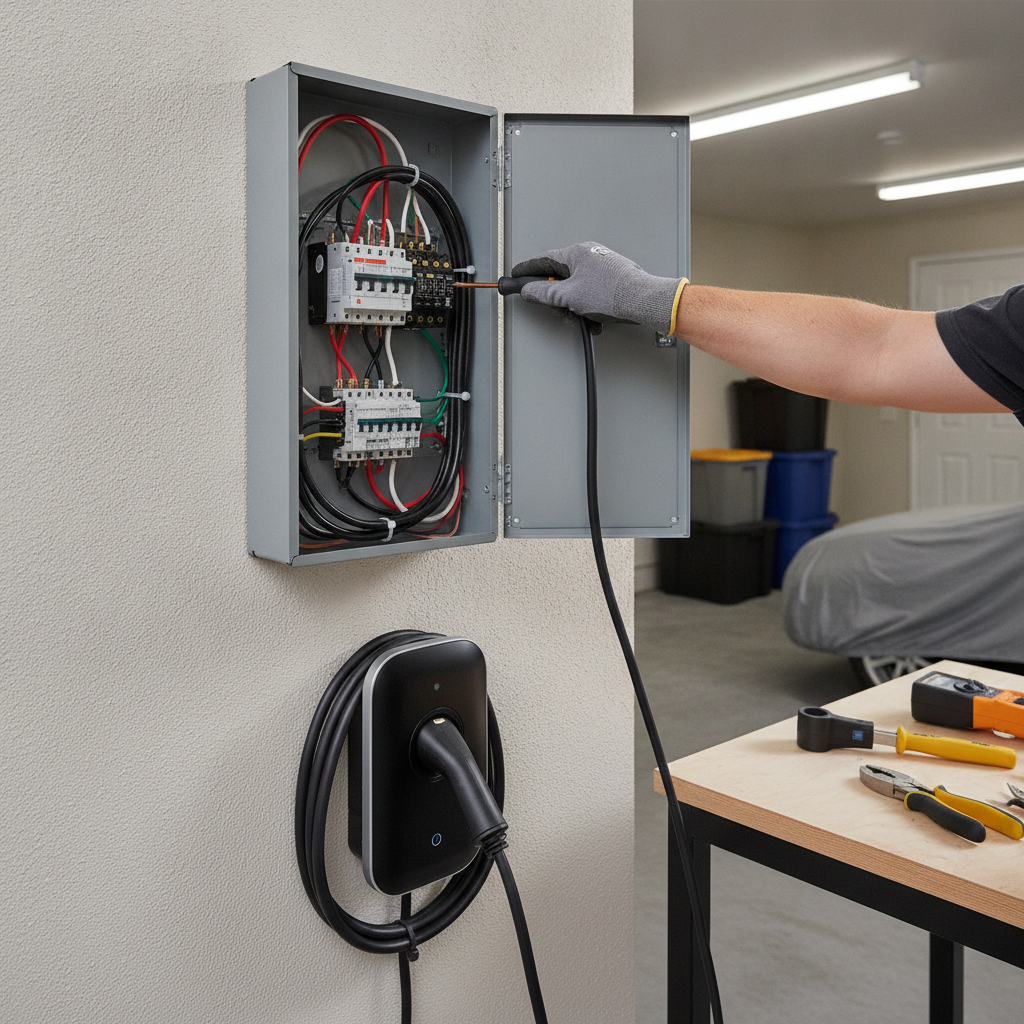
The 2026 National Electrical Code (NEC, also called NFPA 70) is the rulebook that says how electrical work has to be done to be safe and legal. It updates every three years, and the 2026 edition brings a few changes that hit ordinary homeowners directly rather than just commercial buildings. The headline one is EV-readiness. Under the 2026 code, every new one- and two-family dwelling has to be built with a 240-volt NEMA 14-50 outlet on a dedicated 50-amp circuit, installed in the garage or designated parking area. In plain terms, new houses now come pre-wired for a car charger whether the buyer owns an EV yet or not.
There are two more changes worth knowing. First, the code adds a “qualified person” requirement for permanently installed EV charging equipment, and most states are expected to read “qualified person” as a licensed electrician. Second, the outdoor GFCI threshold was raised from 50 amps to 60 amps, which means outdoor receptacle circuits rated between 50A and 60A that used to be exempt now need GFCI protection. That is part of a broader expansion of GFCI and AFCI safety requirements. None of this is meant to scare you. It is meant to keep the highest-power circuits in and around your home from becoming a shock or fire hazard, which is the whole point of the code.
EV Chargers, Panel Upgrades, and New Construction
If you are planning an EV charger, the “qualified person” language matters more than it sounds. A plug-in Level 2 unit on an existing outlet is one thing, but a hardwired, permanently installed charger now falls squarely under that requirement in jurisdictions adopting the 2026 code. We pull the permit, size the circuit correctly, and make sure the install passes inspection the first time. A charger pulling 40-plus amps for hours at a time is not a place to cut corners with a handyman special.
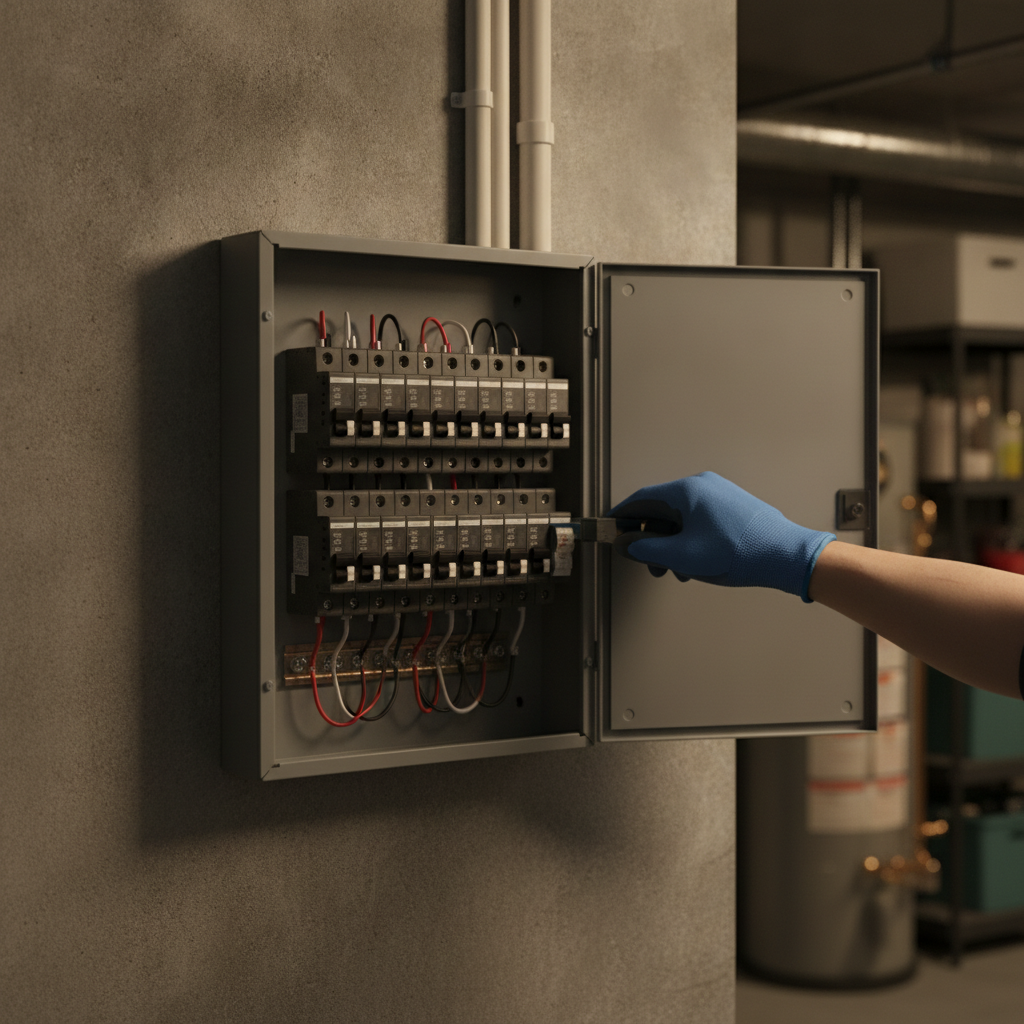
Panel upgrades tie directly into all of this. A lot of Bucks County homes still run on 100-amp or older service that simply does not have room for a 50-amp EV circuit plus everything else the house already demands. Before we add a charger, we look at whether your panel can carry the new load or whether it is time for a service upgrade. If you have been noticing flickering lights, a warm panel, or breakers that trip for no obvious reason, those are clues worth reading. We walk through them in detail in our guide on the signs your electrical panel needs an upgrade. And if you are building new in the county, expect the EV outlet and the expanded GFCI rules to be part of the plan from day one rather than a surprise at final inspection.
A Word on Pennsylvania Adoption
Here is the part where we keep it straight with you. The 2026 NEC is rolling out state by state, not all at once. As of June 2026, 14 states have adopted the 2026 code, and the rest are expected to follow over roughly the next 18 to 36 months. Pennsylvania, like every other state, sets its own timeline, and the rules your project must follow are whatever your local jurisdiction currently enforces. We are not going to tell you the 2026 code is universally in force here when adoption is genuinely a moving target.
What that means for you is simple. Before you assume your project is or is not subject to the new EV outlet and GFCI requirements, confirm with your local township or municipal code office, or just ask us and we will confirm it for the permit. We stay current on what each inspector in our service area is actually requiring this month. The worst outcome is paying to build to the wrong standard, then paying again to correct it.
Why Copper Is Driving Up Your Quote
Now the materials side, because this one is not about code at all. Copper is the metal inside almost every wire, cable, and bus bar we install, and its price has climbed to record highs as of June 2026. On the London Metal Exchange, copper has been trading near $13,800 per tonne. U.S. COMEX copper futures are up roughly 40 percent year over year and touched a record around $6.65 per pound before easing back slightly. When the raw metal jumps that much, the wire on our truck costs more, and that flows through to the quote on any copper-heavy job.
So what is pushing copper up? A few things at once: supply disruptions at major mines, ongoing tariff uncertainty, and unusually strong demand. A lot of that demand comes from the same forces reshaping the grid, namely the buildout of AI data centers and the broader push toward electrification, both of which are copper-hungry. We cannot control the commodity market, but we can be transparent about it. When we quote you, the copper-heavy line items reflect today’s material cost, and a quote from eight months ago may simply not hold. If you are weighing a bigger project like backup power, the wiring and transfer-switch work is affected too, which we cover in our comparison of a whole-house generator versus portable backup power. And if you want low-voltage work bundled in while the walls are open, our extended WiFi coverage guide is a good companion read.
How Graff’s Electric Helps You Plan
Put it together and the takeaway is not “everything is more expensive, good luck.” It is that there has rarely been a better time to have a licensed electrician in your corner. The 2026 code is making EV-readiness and safety upgrades standard, the “qualified person” rule means this work should go to a licensed pro anyway, and rising copper means an accurate, current quote is worth more than a stale guess. We handle the permit, size the circuit, confirm what your local jurisdiction enforces, and give you honest pricing that reflects today’s material costs.
If you are mapping out an EV charger, a panel upgrade, or a new build in Bucks County, reach out and we will walk the whole thing with you before you commit a dollar. We would rather spend twenty minutes getting the plan right than have you pay twice. That is the difference a local, licensed crew makes.
Sponsored
Need a Licensed Electrician?
Serving Bucks & Montgomery County. Free estimates on all projects.
Get Your Free EstimateNeed Help With This?
Graff's Electric & IT Solutions is here to help with all your electrical and technology needs in Bucks & Montgomery County.